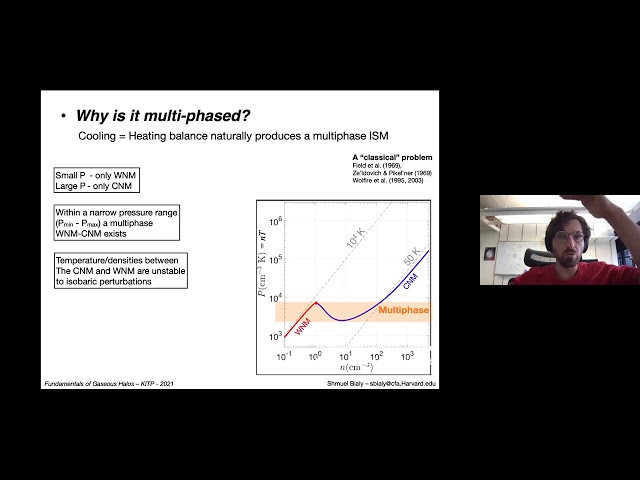
Extreme scales that define the Interstellar Medium
Average density of the interstellar medium — a billion times emptier than the best vacuum on Earth
Typical gas velocity in molecular clouds — far beyond any man-made supersonic vehicle
Typical time needed to form a single Sun-like star from a collapsing molecular gas cloud
Temperature of molecular cloud cores, among the coldest naturally occurring gas in the universe
The Star Formation & Insterstellar Medium Lab at the Technion
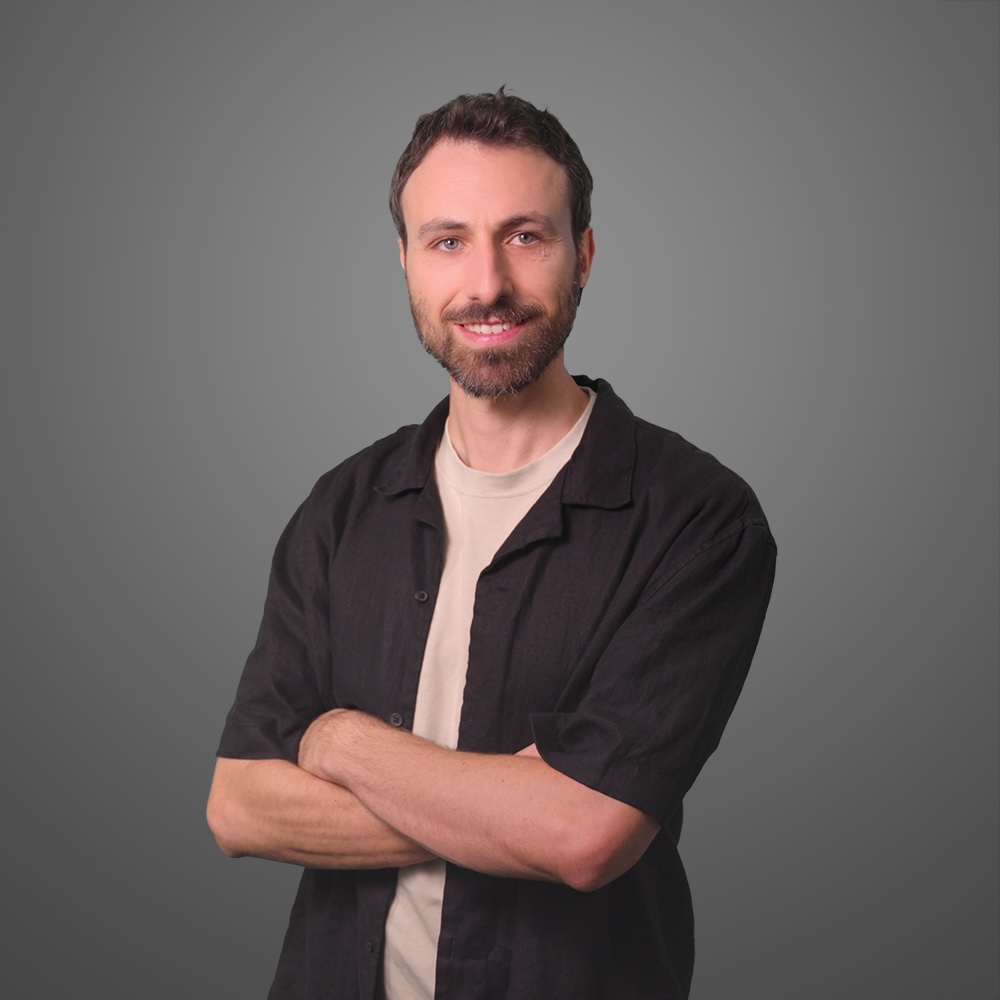
SHMUEL BIALY
PI
I’m Shmuel Bialy, a Senior Lecturer (Assistant Professor) in the Physics Department at the Technion — Israel Institute of Technology.
My research focuses on the interstellar medium (ISM): how it shapes star formation, how forming stars feed back into it, and how these processes drive galaxy evolution across cosmic time. I combine analytic theory, numerical simulations, and observations, including with JWST, to address these questions.
Before joining the Technion, I was an ITC Prize Fellow at Harvard CfA and a CTC Prize Fellow at the University of Maryland. I completed my PhD at Tel Aviv University under Amiel Sternberg.
My Publications on NASA ADS / Google Scholar / Technion page
we combine multi-physics magneto-hydrodynamics simulations with analytic techniques to study the process of star-formation and galaxy evolution.
with observers to compare theory with observations in galaxies today and in high redshift galaxies forming in the Early Universe.
Our research is interdisciplinary, involving knowledge from different fields: chemistry, turbulence, hydrodynamics, atomic physics, and cosmology (see Research and Talks).
I combine a love of space and computer science to investigate the structure, composition, formation, and evolution of minor and major planets, in our Solar System and beyond.
Uri Malamud
Senior Researcher
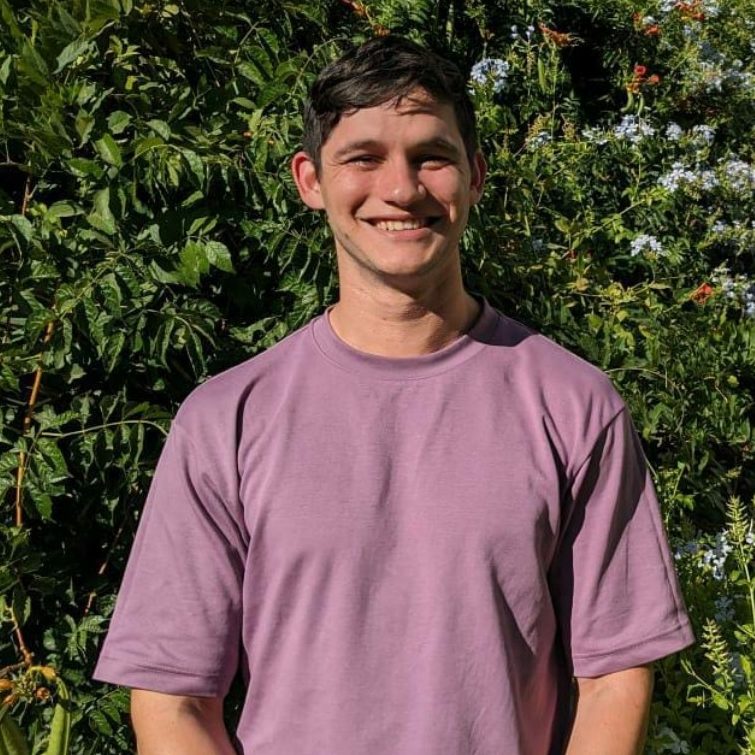
I’m a graduate student at the Technion researching cosmic rays in the interstellar medium, with broader interests in particle physics and astrochemistry.
Amit Chemke
Graduate Student
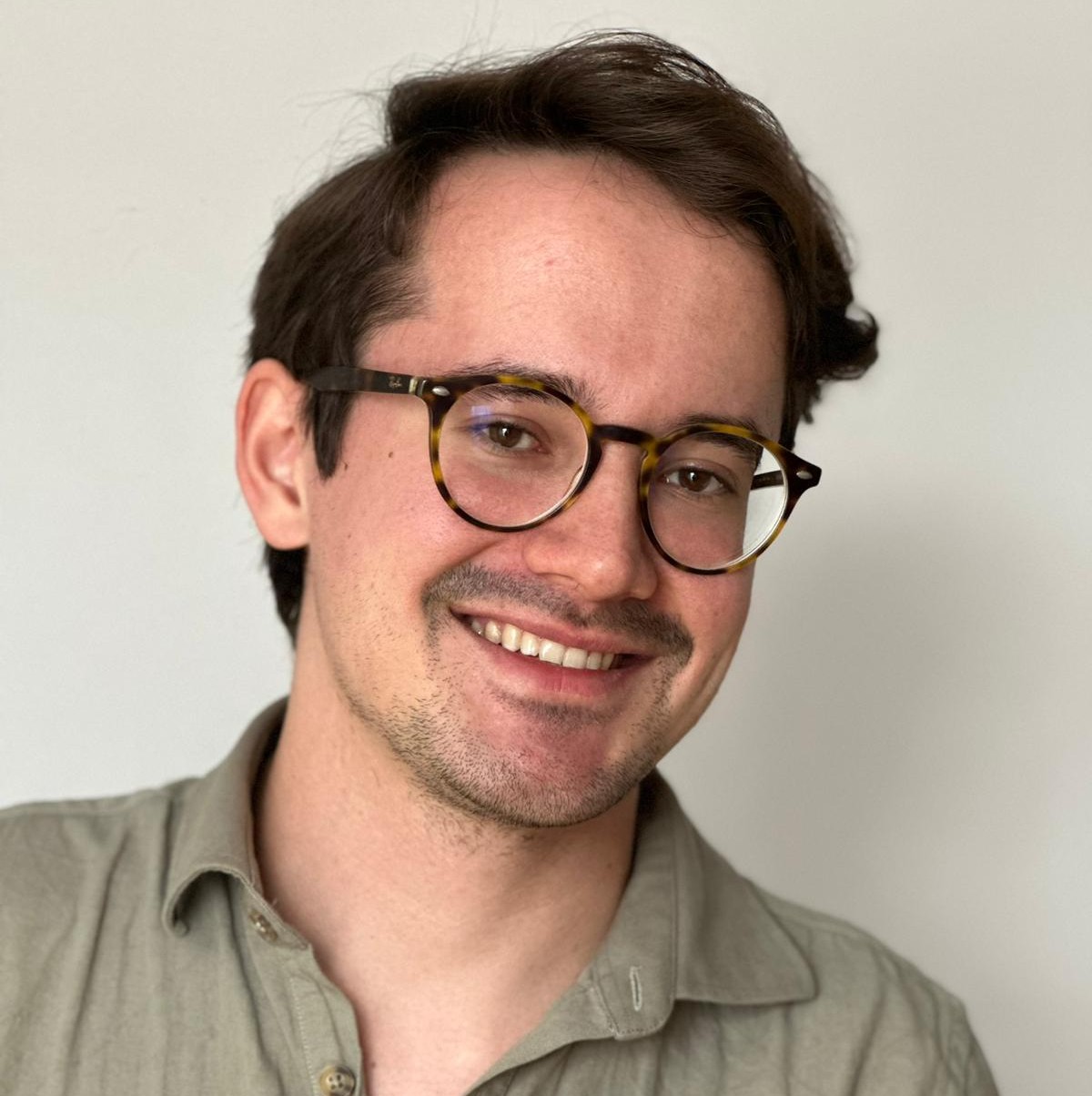
A multidisciplinary researcher with a background spanning mathematics, physics, and computation, Benjamin brings expertise in mathematical theory, signal processing, and international scientific collaboration to the group’s work on the interstellar medium.
Benjamin Bairrington
Graduate Student

I am breathing and living Physics
Andrey Anisimov
Graduate Student
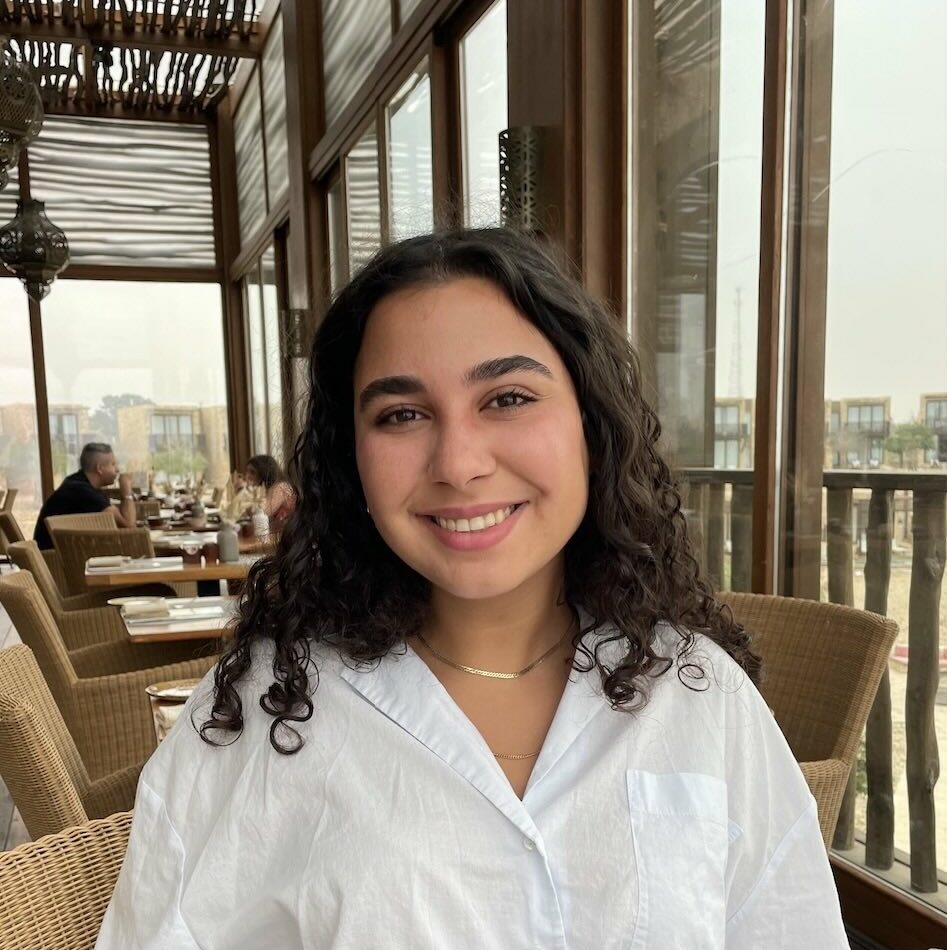
I’m a third-year undergraduate physics student at the Technion, working to map the distribution and structure of the Cold Neutral Medium using 3D dust-density maps and observational data. Outside of research, I find inspiration in painting, nature, and stargazing.
Dana Bar
Undergraduate Student
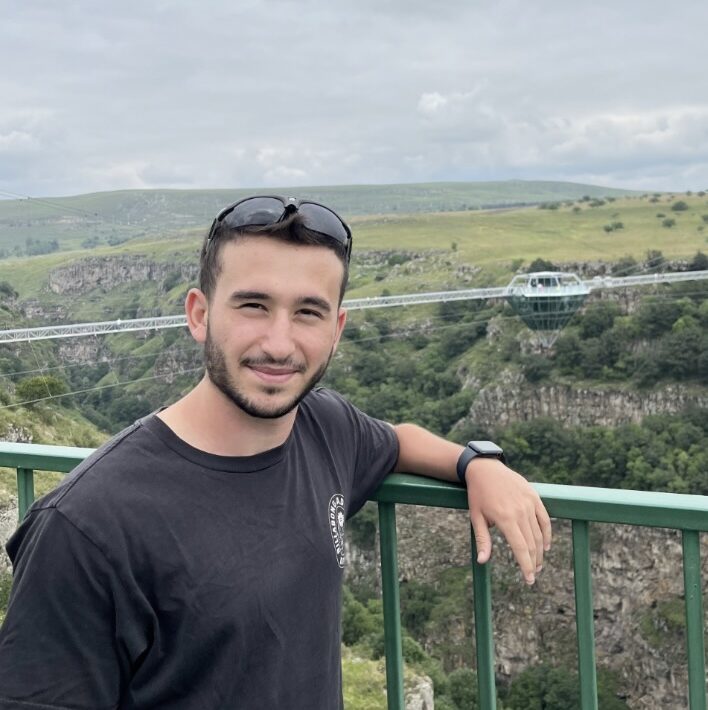
I was born in Gedera in 2001, and I’ve been passionate about physics for as long as I can remember.
Matan Berko
Undergraduate Student
I was captivated by the beauty of interstellar clouds and the complex dynamics of cosmic turbulence, which led me to join the group to explore phase transitions between the hot and cold phases of the interstellar medium.
Jonathan Shelest
Undergraduate Student
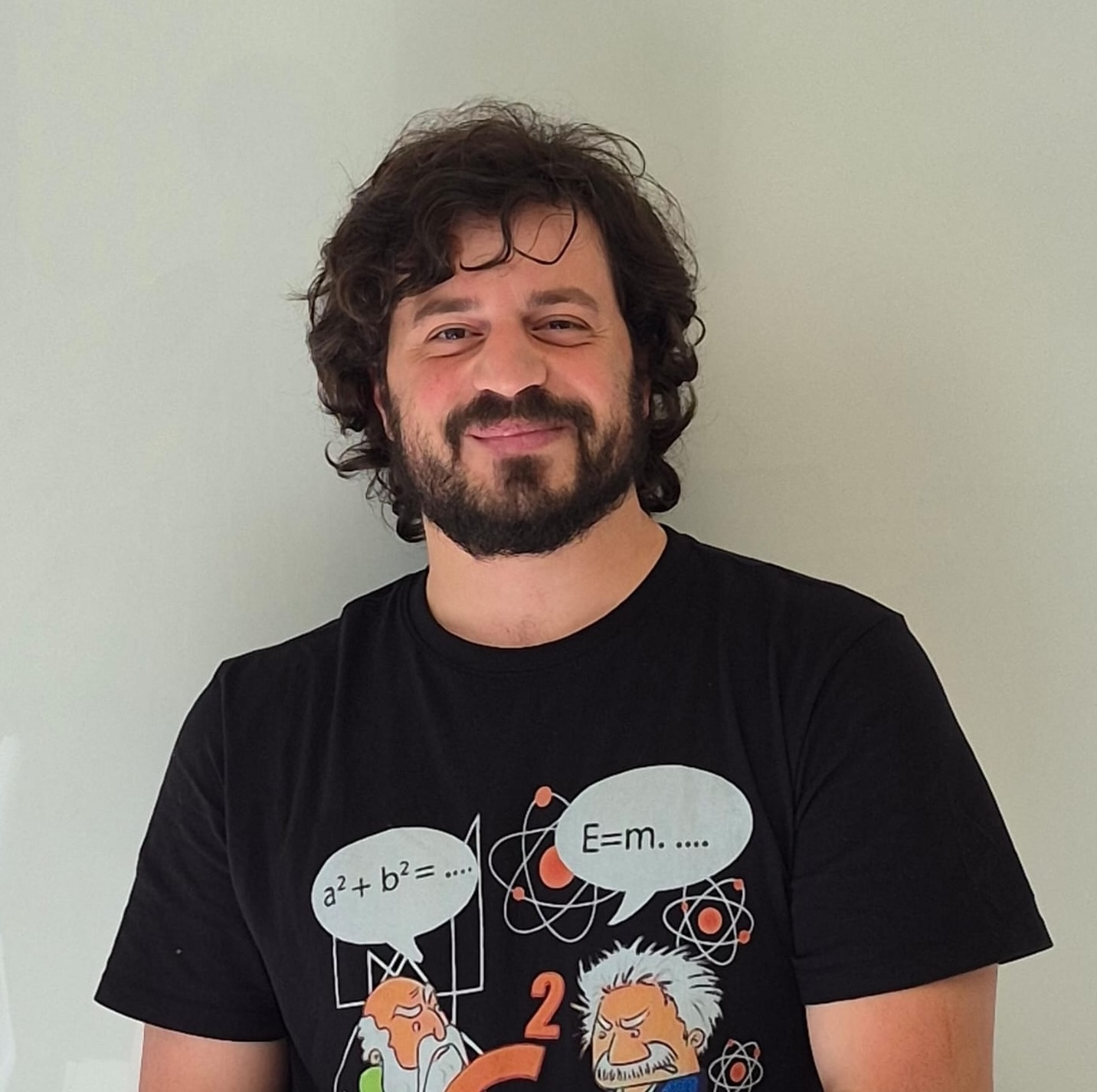
I am working on characterizing the 3D structure and dynamics of cold interstellar clouds. I am using comprehensive magneto-hydrodynamical (MHD) simulations (RAMSES) and radiative transfer and comparing the simulated clouds with 21cm observations in the Milky Way Galaxy.
Yedidya Arbel
Graduate Student
Explore simulations and observations of the interstellar medium
Click, Rotate, and zoom
MILKY WAY’S DUST
PER-TAU SHELL
THERMAL PHASES
PHASES’ DISTRIBUTION IN THE MILKY WAY
Colloquia, conference talks, and public outreach across interstellar medium physics and star formation
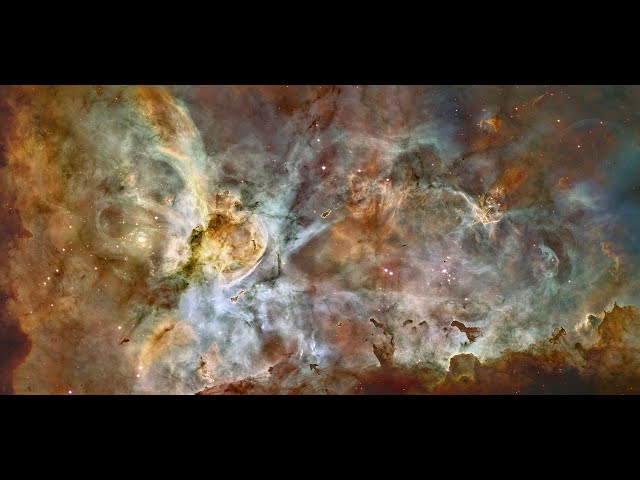
How interstellar turbulence shapes the chemistry of the ISM
click to watch
Turbulence produces density fluctuations in the interstellar medium, which in turn drive variations in the abundance of atomic and molecular species. Observations of molecular abundances with radio and sub-mm telescopes, combined with analytic and numerical models, can shed new light on the origin of interstellar turbulence.
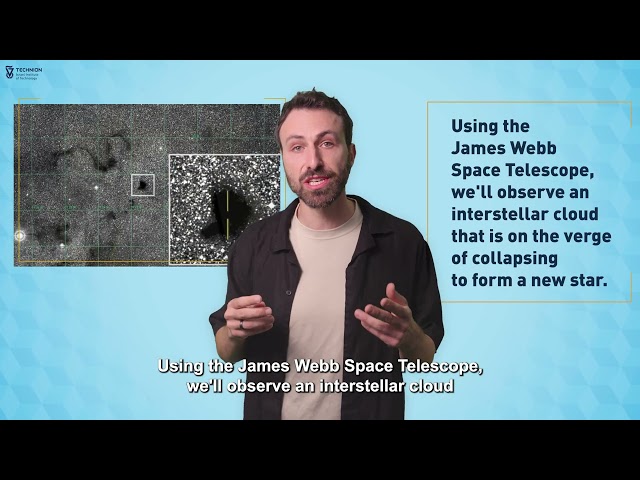
A short introduction to the Star Formation and ISM Lab at the Technion
click to watch
This is where I talk about boring stuff but make it exciting, watch me do my magic
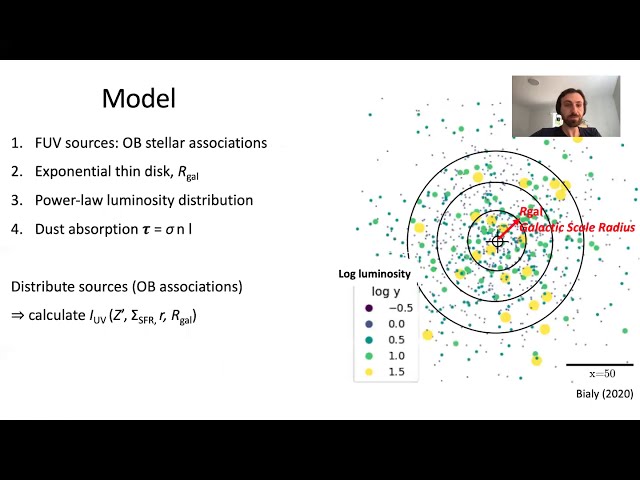
Modeling far-ultraviolet radiation across galaxy types and redshifts, and its role in regulating the multiphase ISM and star formation
click to watch
Far-ultraviolet photons from massive stars are the dominant heating source of the ISM, controlling its multiphase structure, molecular composition, and potentially self-regulating star formation. This talk presents analytic and numerical models of the FUV interstellar radiation field from local to high-redshift galaxies, and from massive to dwarf systems.
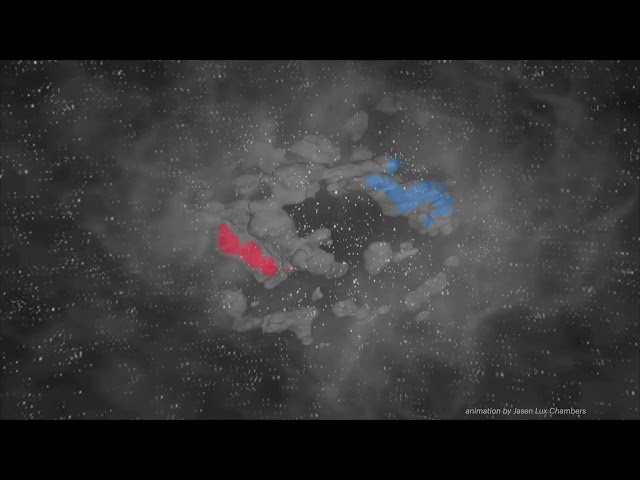
A public outreach video: A giant spherical cavity in space, carved by supernovae, that triggered the formation of the Perseus and Taurus molecular clouds
click to watch
Astronomers mapping interstellar dust discovered a huge spherical cavity — the Per-Tau Shell — showing that supernovae led to the formation of two nearby star-forming molecular clouds. This short video was produced by the Center for Astrophysics | Harvard & Smithsonian as part of the press release accompanying the discovery.
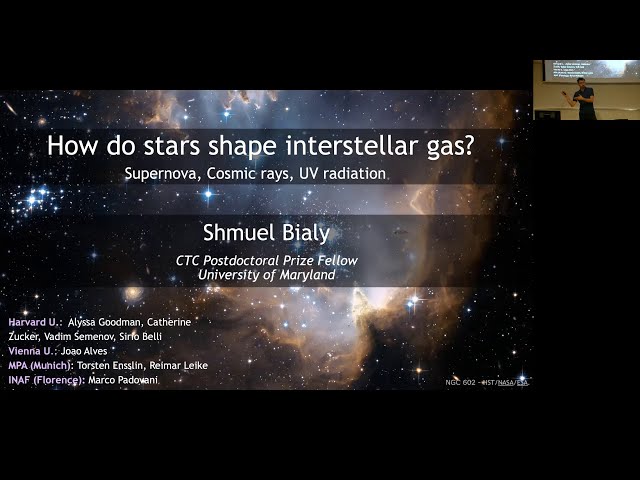
A colloquium covering stellar feedback, the discovery of the Per-Tau Shell, and the promise of JWST for probing low-energy cosmic rays
click to watch
Stars form through gravitational collapse of interstellar clouds, but the process is regulated by energy injected back into the ISM by the forming stars themselves. This talk reviews supernovae, cosmic rays, and FUV radiation as key feedback agents, presents the Per-Tau Shell as the first 3D observational evidence for supernova-triggered star formation, and discusses how JWST can constrain the poorly-known low-energy cosmic-ray spectrum.
A tutorial on the multiphase ISM and its analogies with the circumgalactic medium, for understanding turbulent multiphase gas across scales
click to watch
This is where I talk about boring stuff but make it exciting, watch me do my magic
Bridging the Gap Between Research and Public Understanding
Science advances when discoveries reach beyond academic circles. Here’s how our research has captured public attention and contributed to broader scientific literacy.
Additional Links: Times of Israel | YNet (Hebrew) | Ha yad’an (Hebrew) | University of Duisburg-Essen (German) | NewsRu (Russian)
Additional links: The Independent | Wikipedia | AAS-NOVA | VICE | Gizmodo ScienceAlert | UniverseToday | The PerTau shell website
Additional links: IFLScience | AstronomyNow | ScienceDaily | SciNews
Additional Links: Phys.org
a podcast series on the Israeli national radio introducing basic topics in astrophysics and cosmology
An open source online database of magneto-hydrodynamical simulations for open source research and visualization
Link: mhdturbulence.com
Keep In Touch